Technical PolyTrack Codes
Test your precision and skill with technical tracks that demand perfect execution. These maps reward careful control and strategic thinking.
How This Collection Is Curated
This collection is built around technical tracks, then filtered by the parts of a track that matter most to players: category, difficulty, tags, and how clearly the map fits the intended driving style. The goal is to keep this page useful, not to list every possible code.
Before choosing a track, start with the difficulty badge and the short description. Easy and Medium tracks are better for learning lines, while Hard, Expert, and Impossible tracks are better for players who already understand speed control, braking points, and recovery after mistakes.
Use the list below as a practical route into the library: open a track, read the detailed notes, copy the code, and spend a few runs learning the opening section before chasing a fast time. If a page no longer has enough useful matches, it is removed from the public collection list until better tracks are available.
All Technical Tracks
20 tracks found
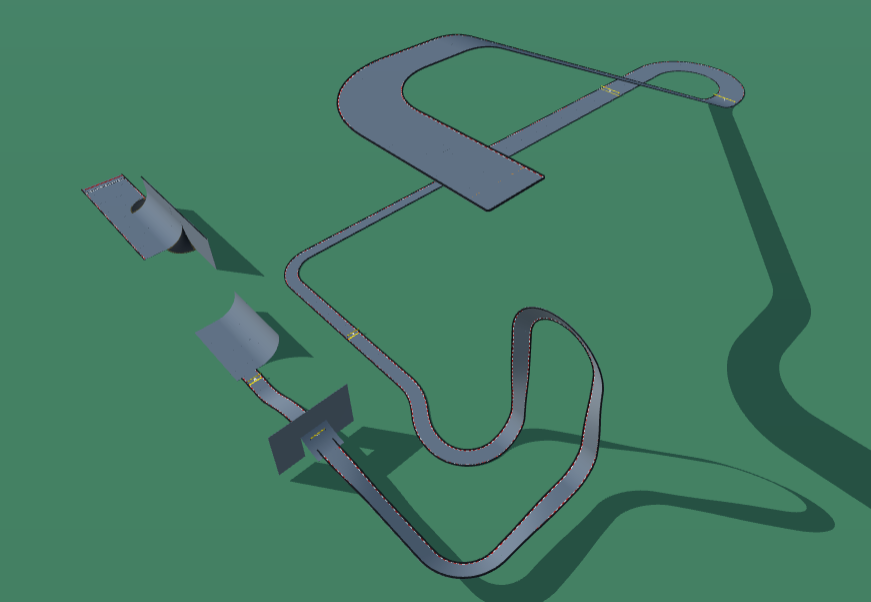
The Track
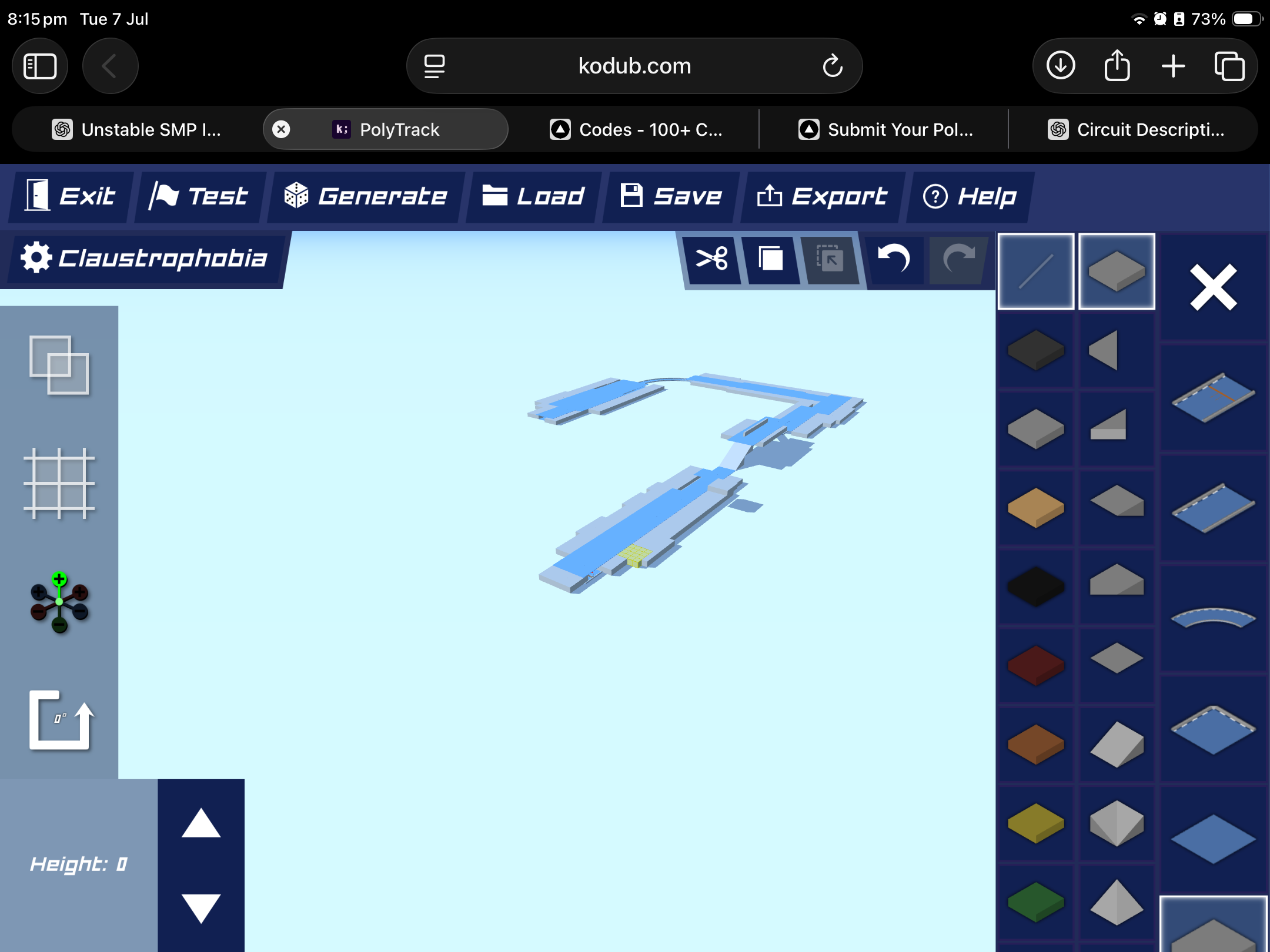
Claustrophobia
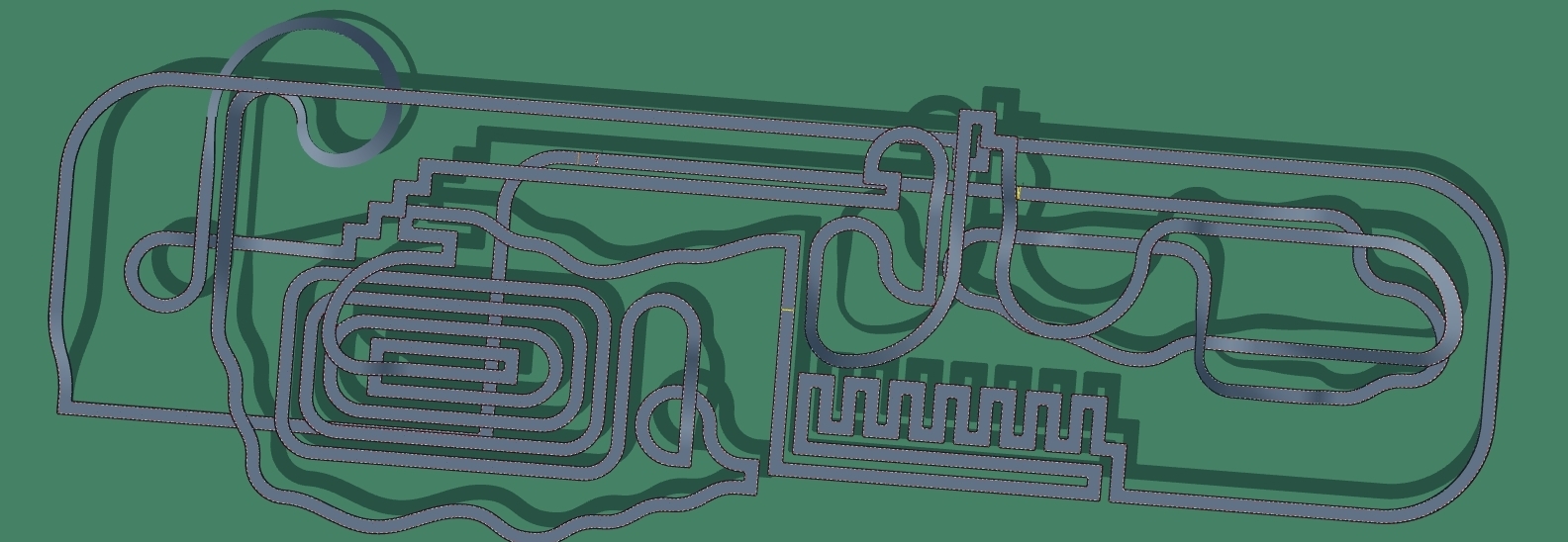
Suffer Ring
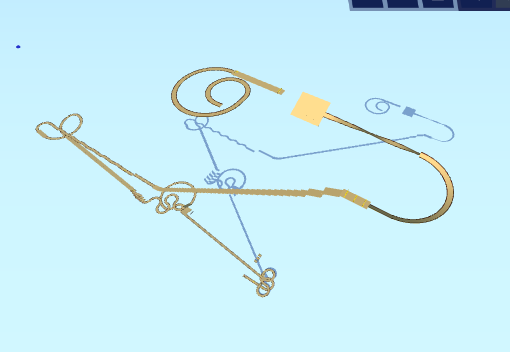
down hill
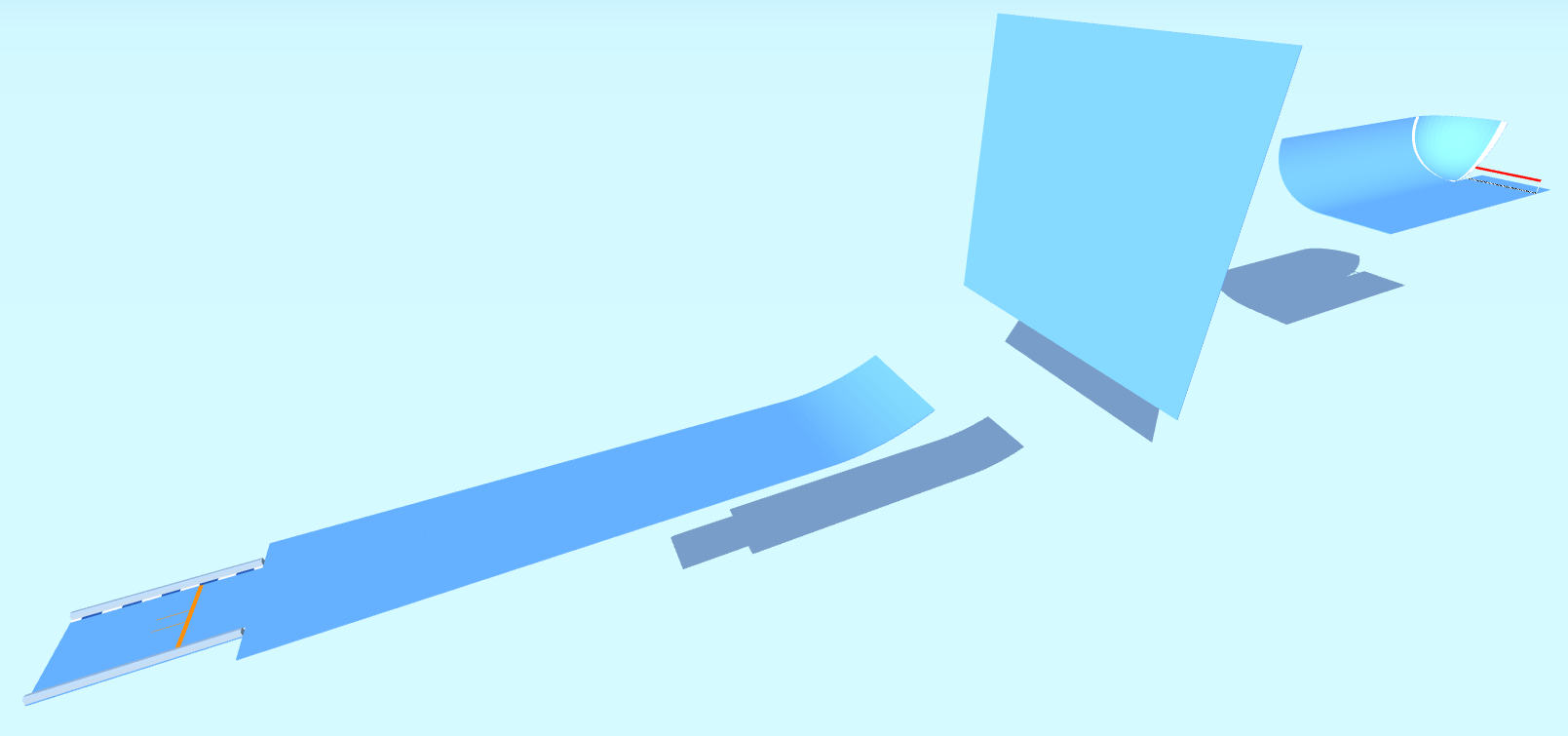
Kackytrack 1
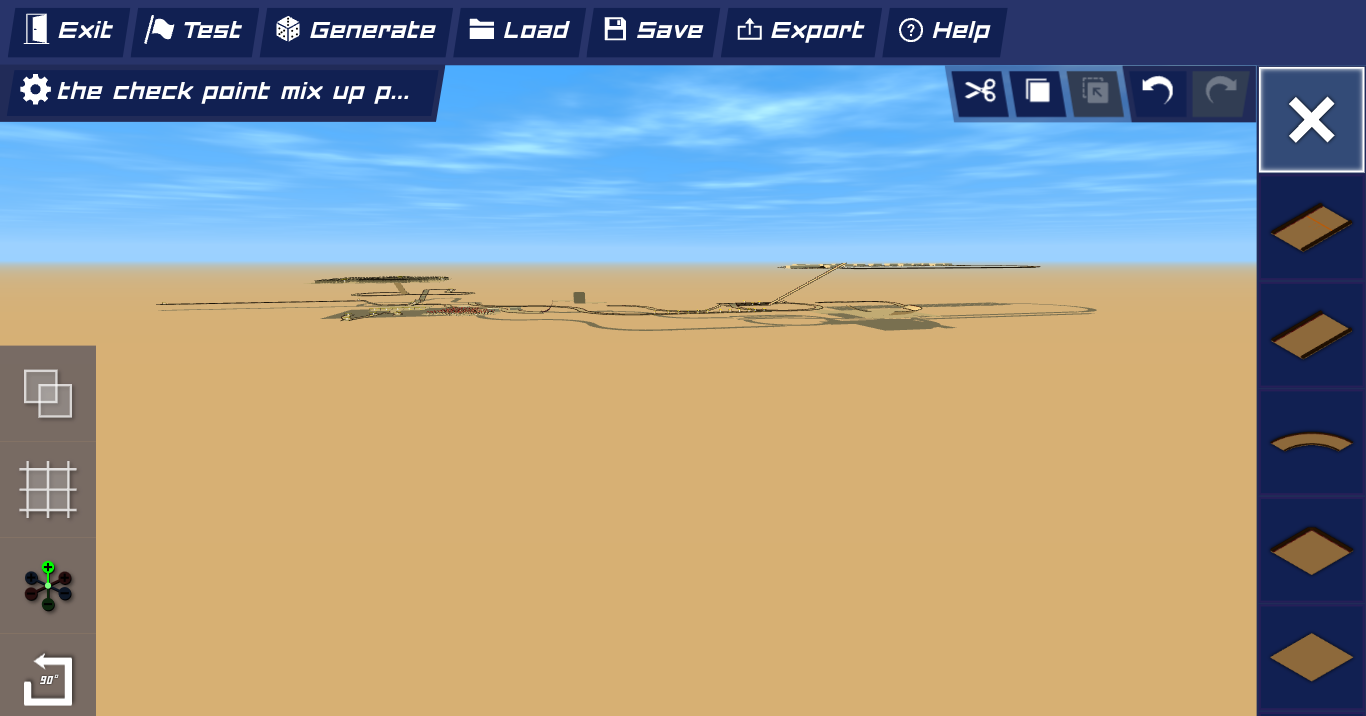
the check point mix up part 2
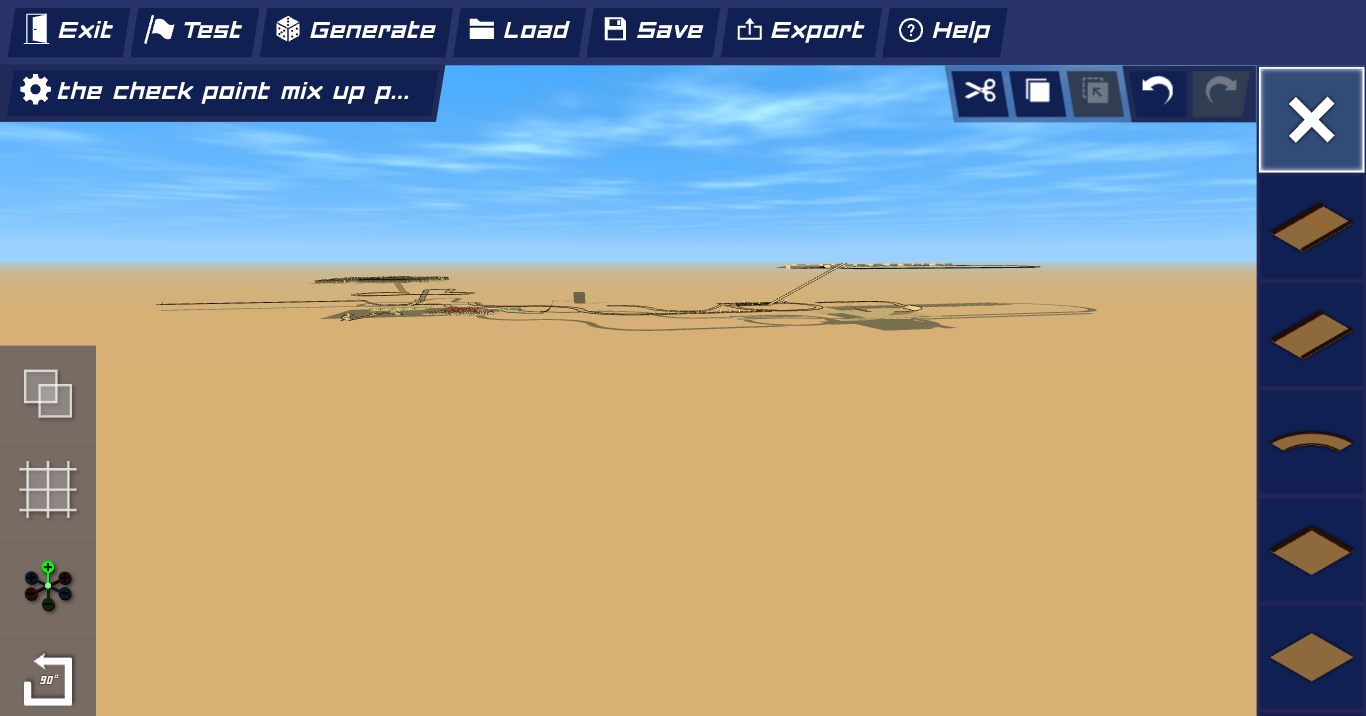
check point mix up part 2
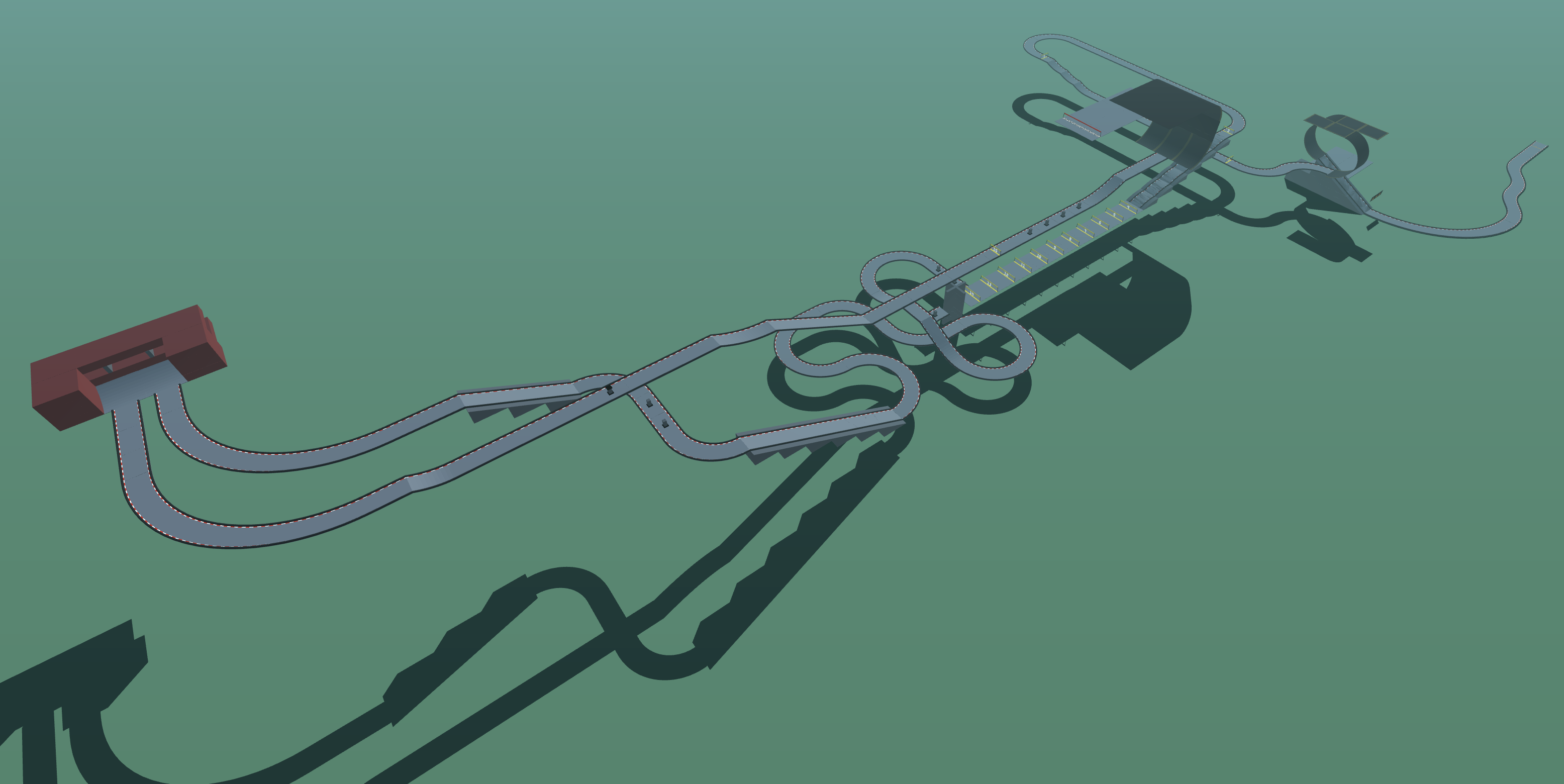
The Impossible Track
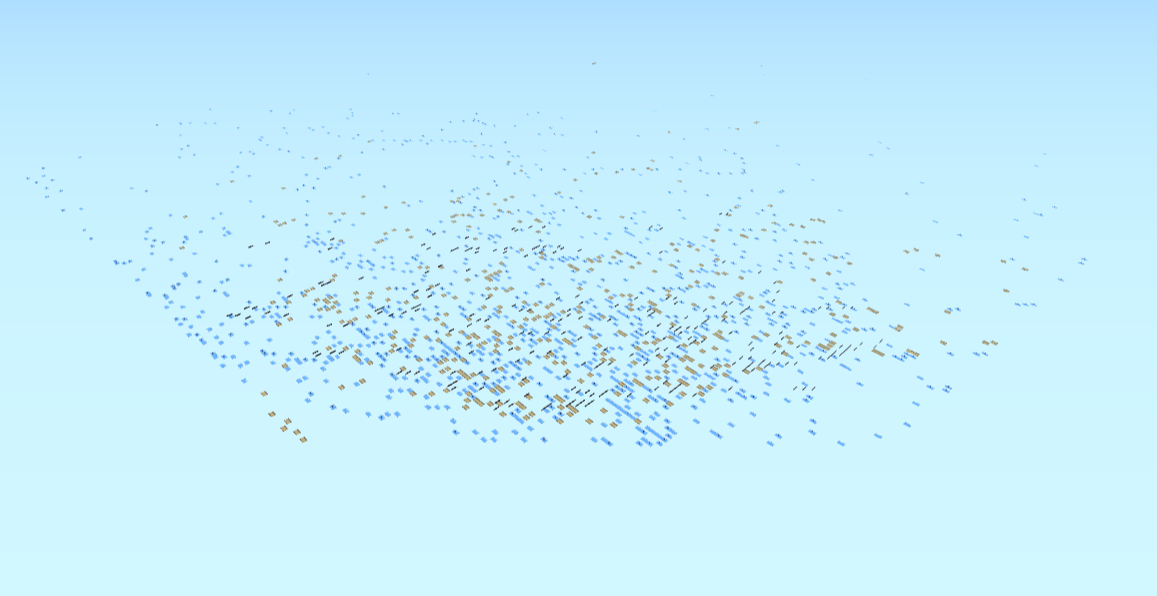
Only One (Hardest)
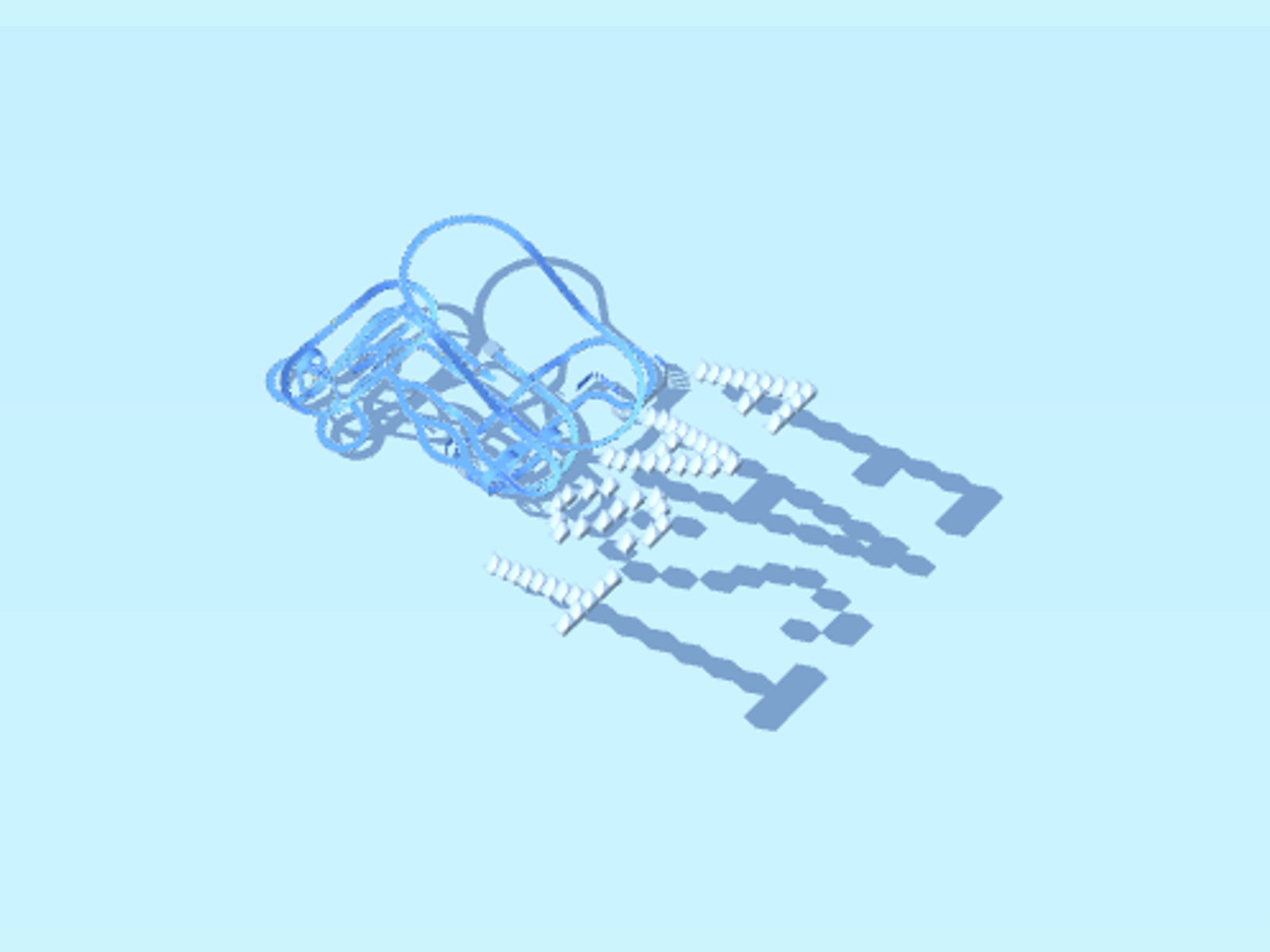
Winter Highway
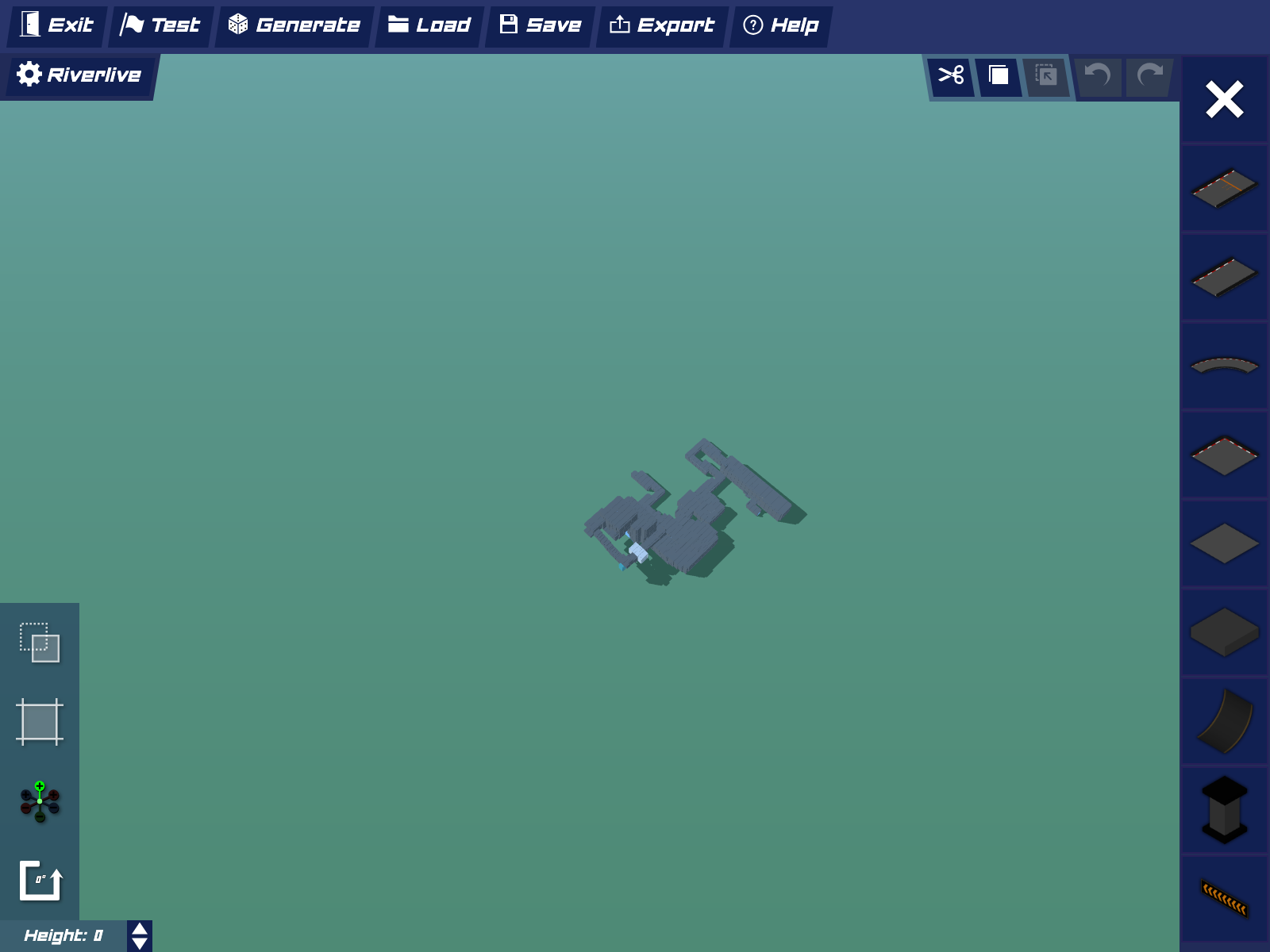
Community Track #286: Riverlive
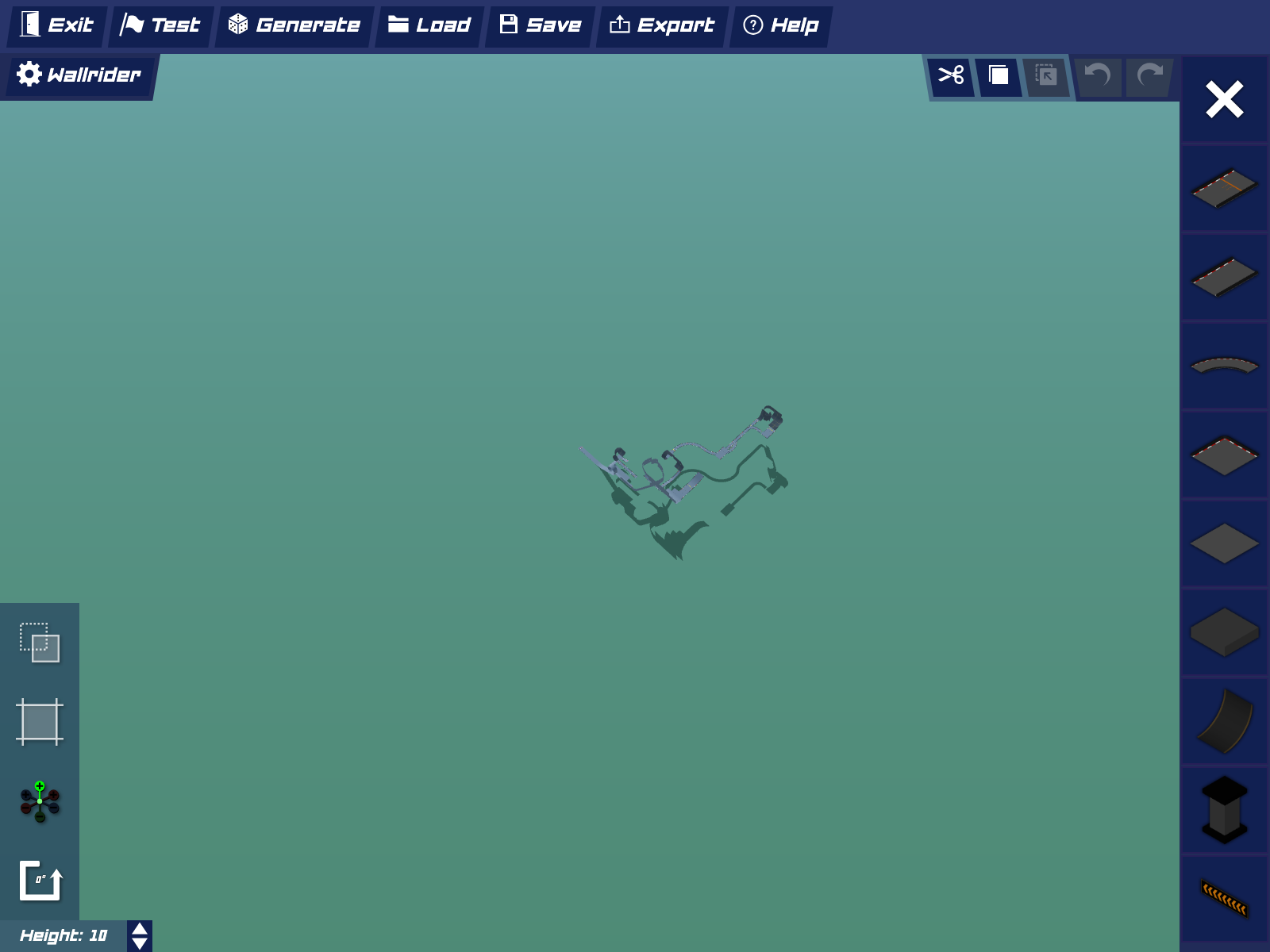
Community Track #282: Wall Rider
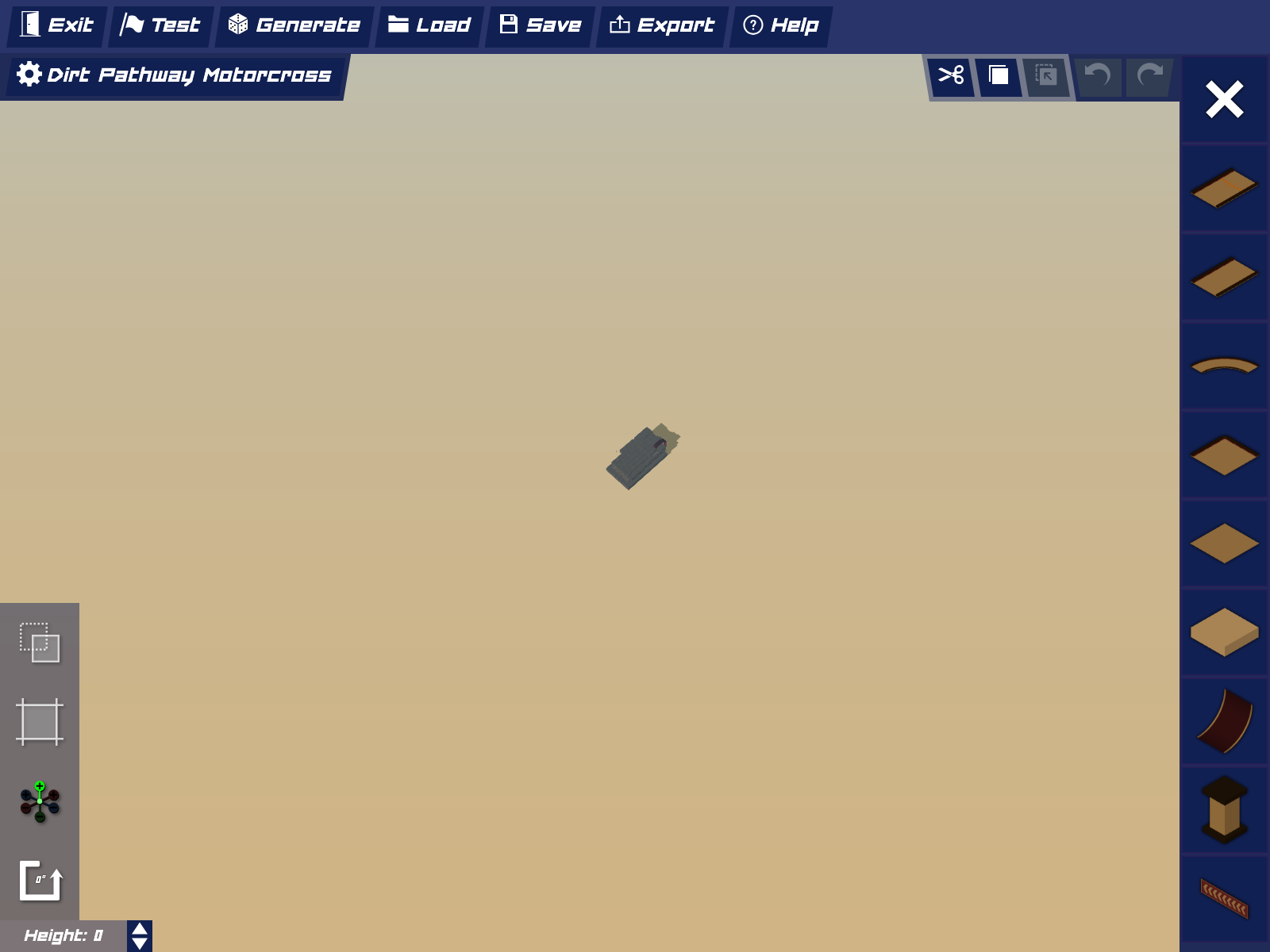
Community Track #278: Dirt Pathway Motorcross
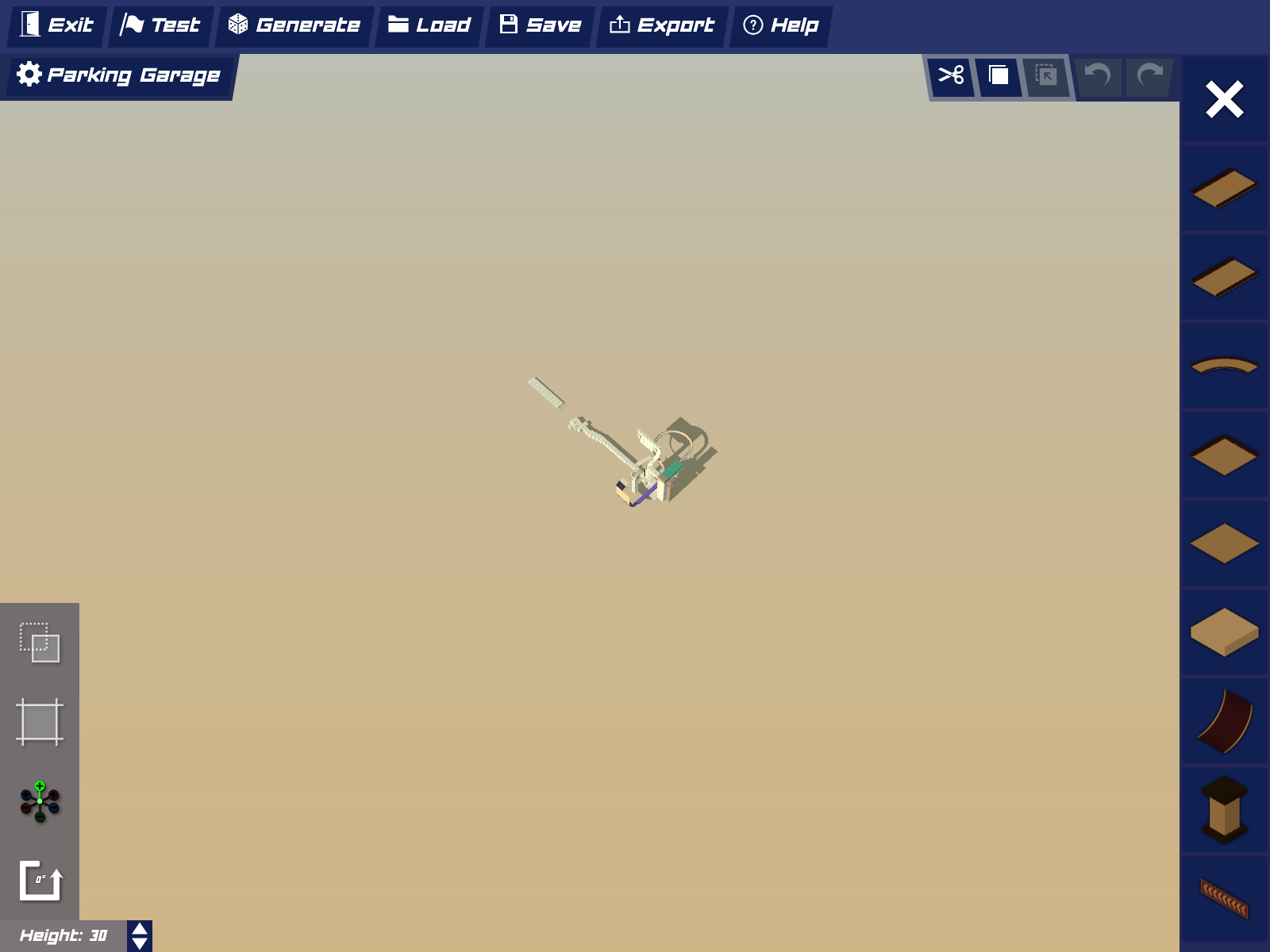
Community Track #279: Parking Garage
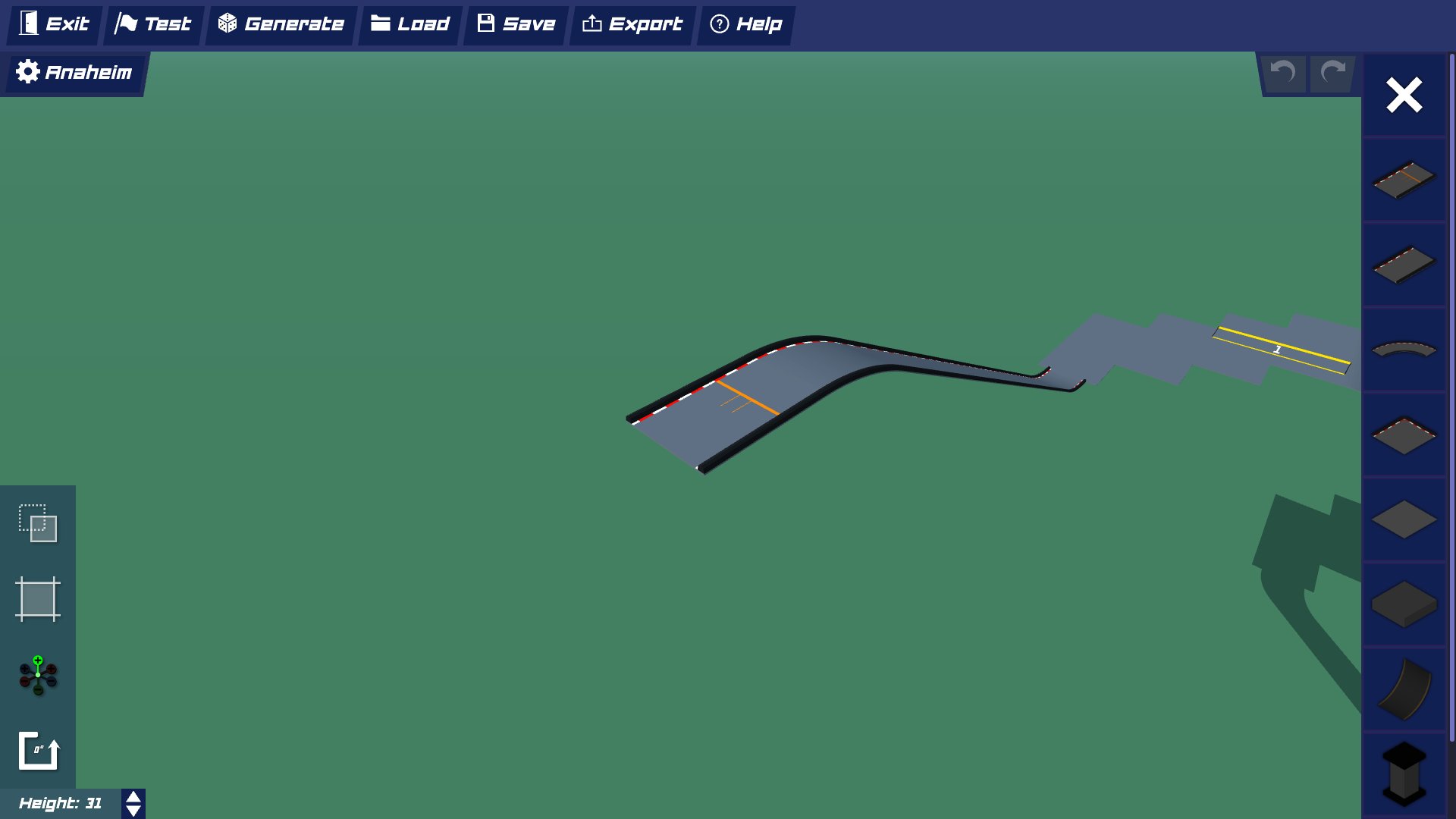
Community Track #128
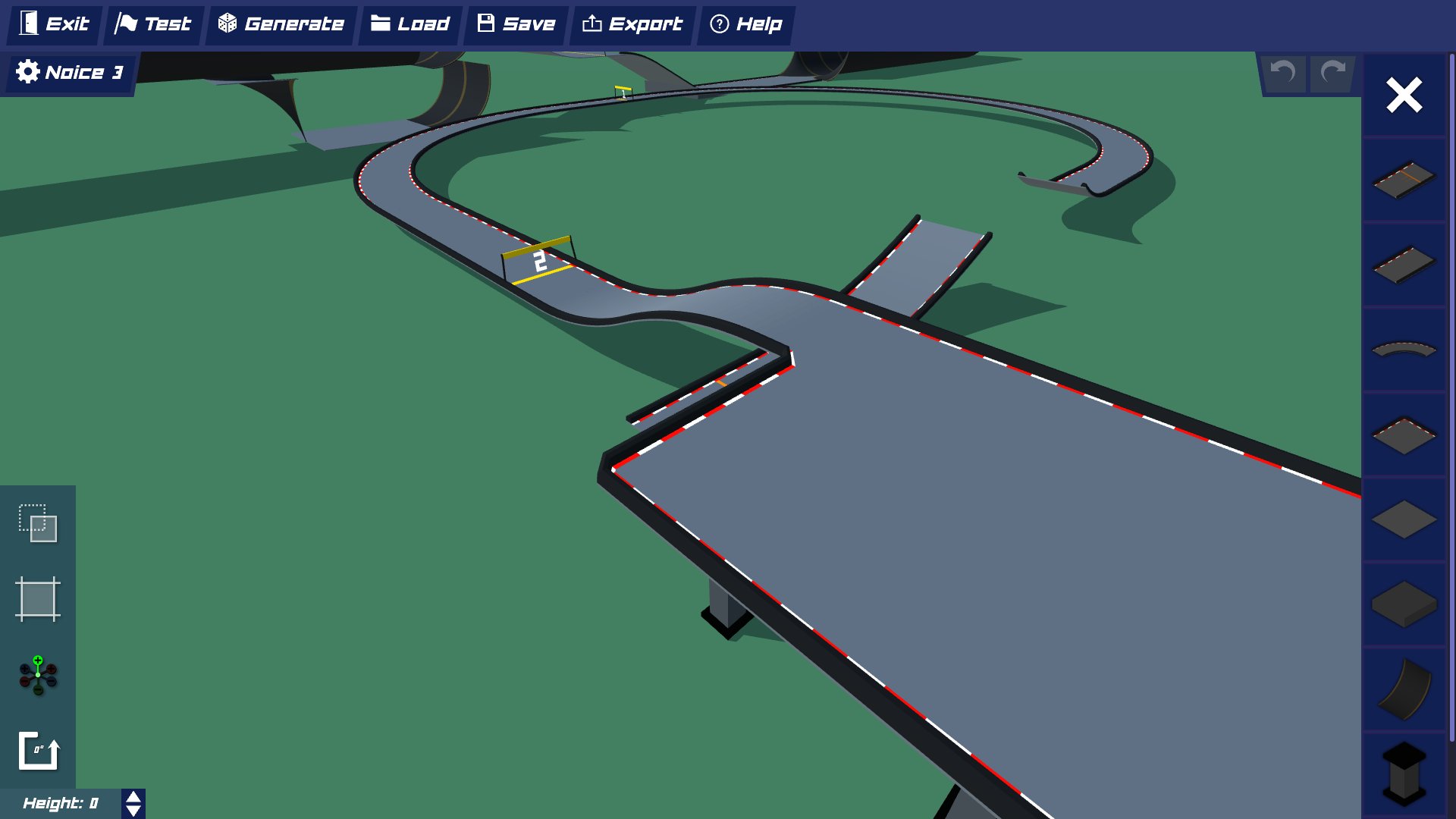
Community Track #43
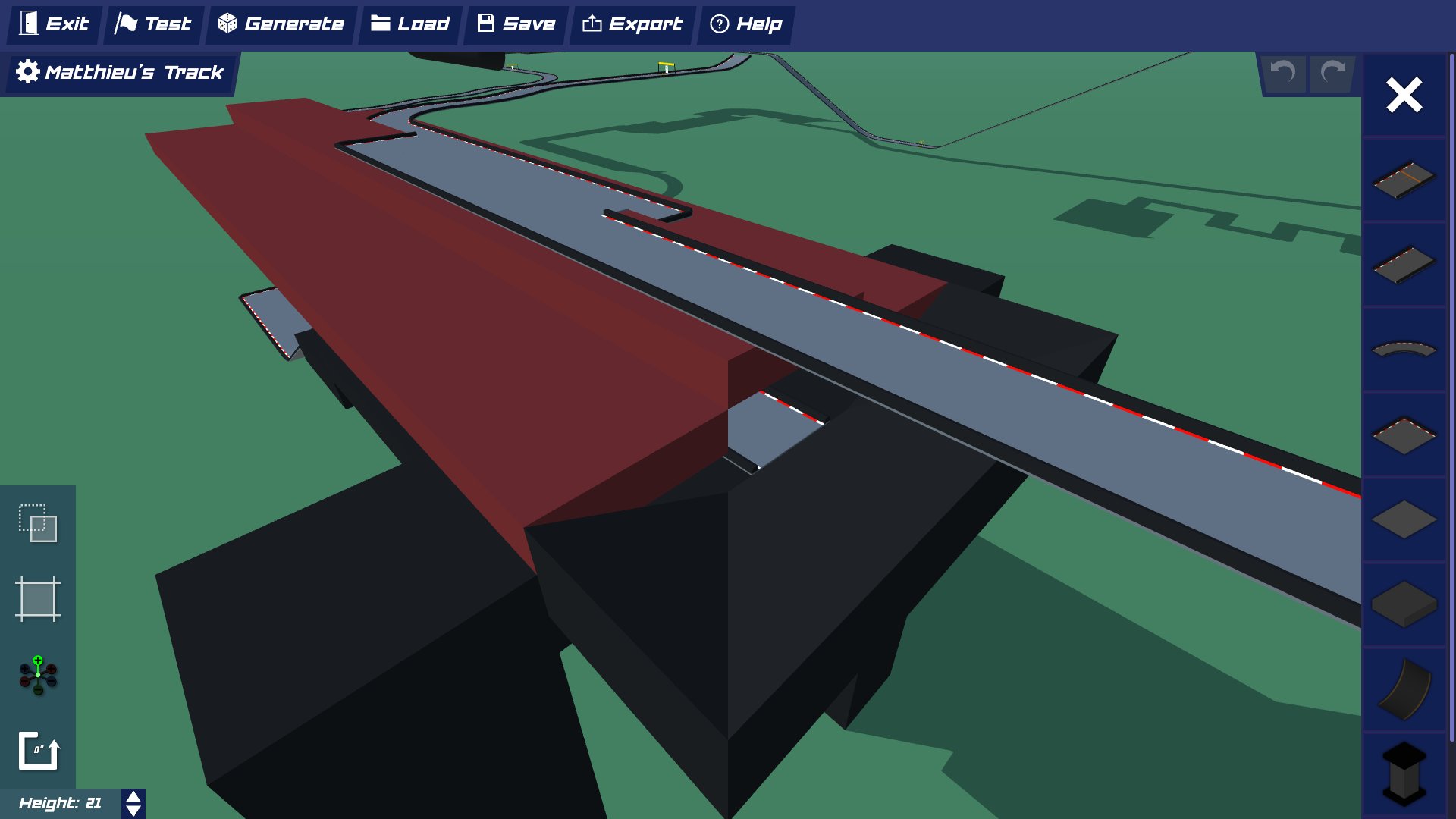
Community Track #138
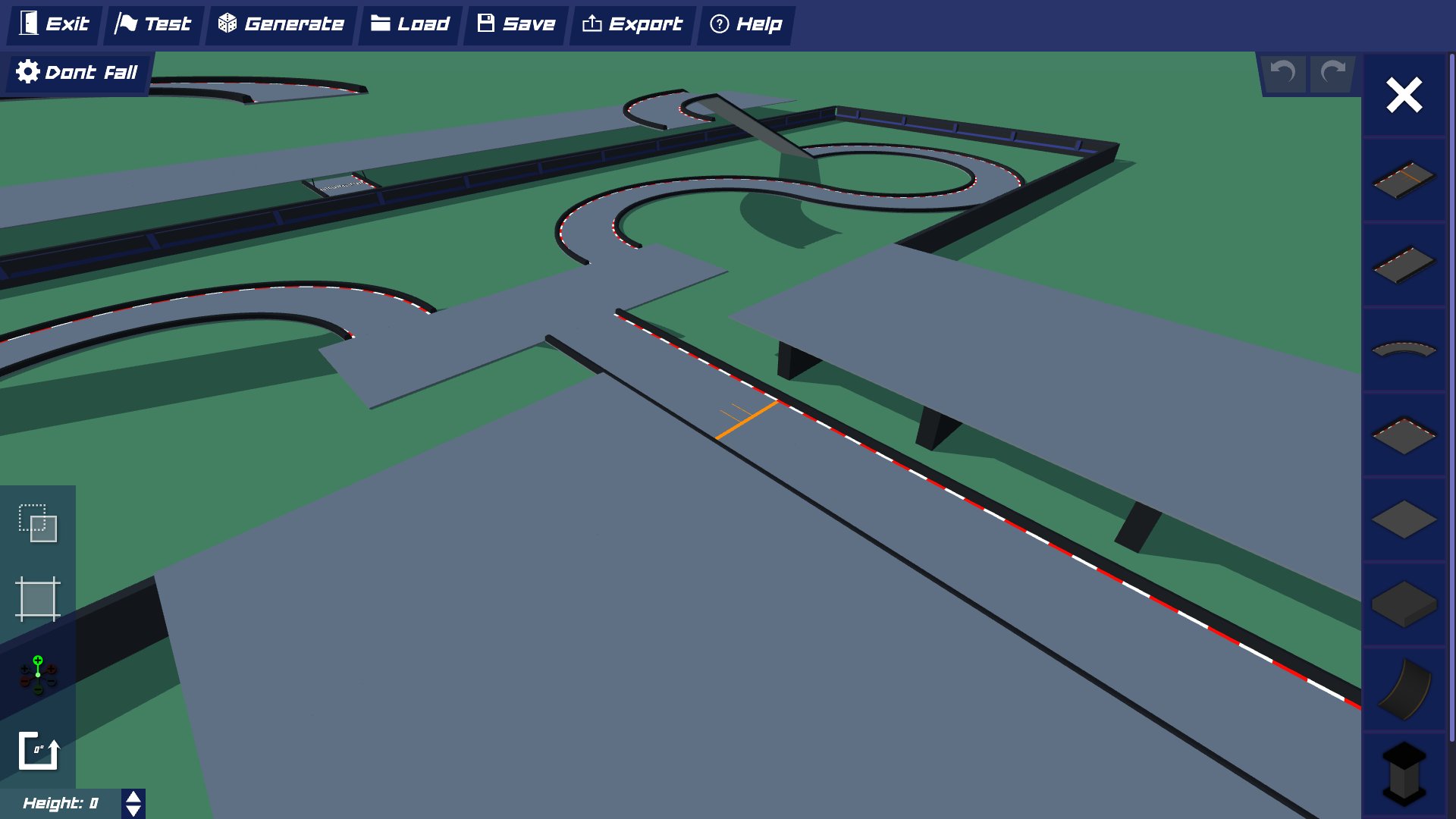
Community Track #33
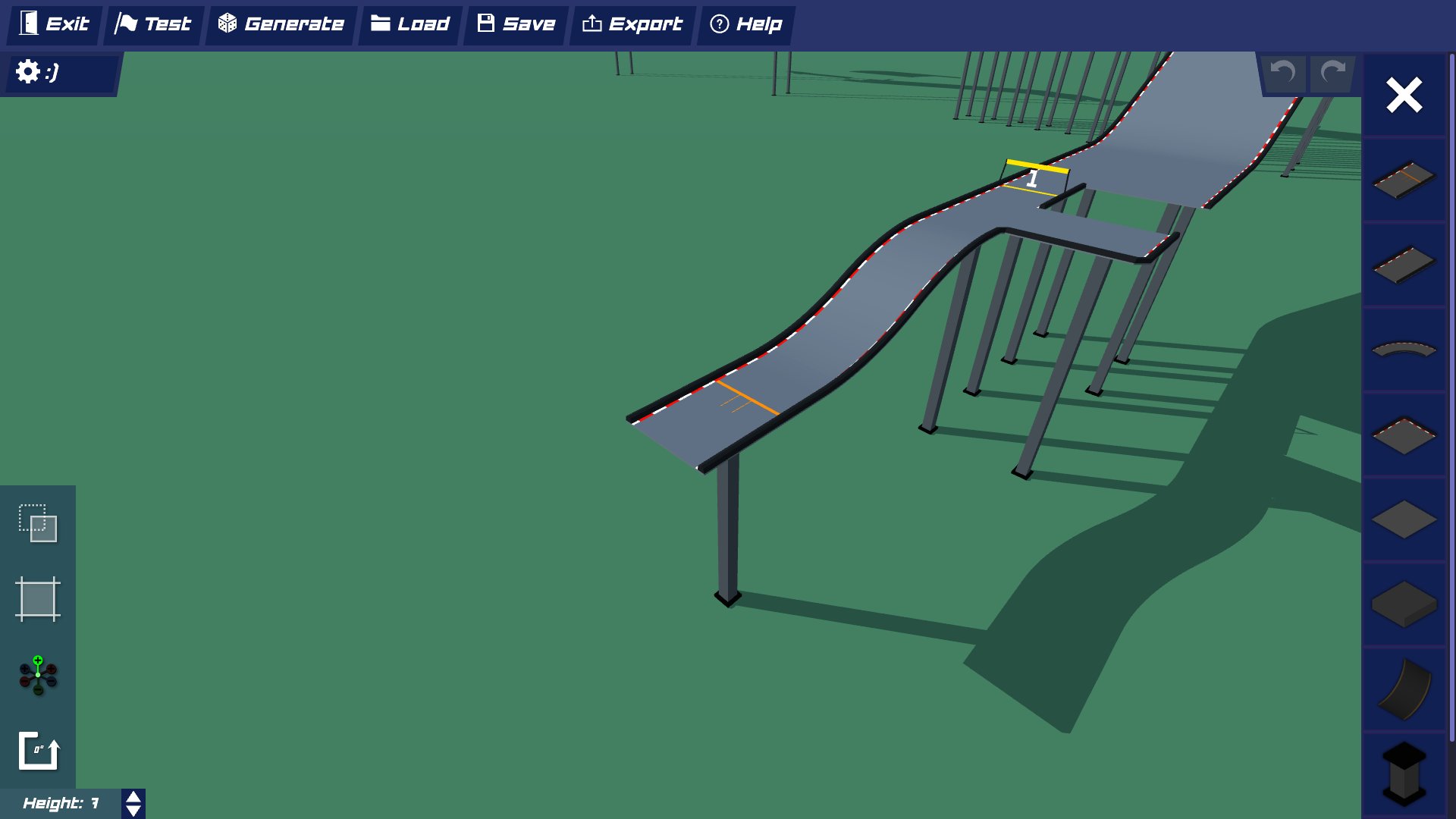
Community Track #38
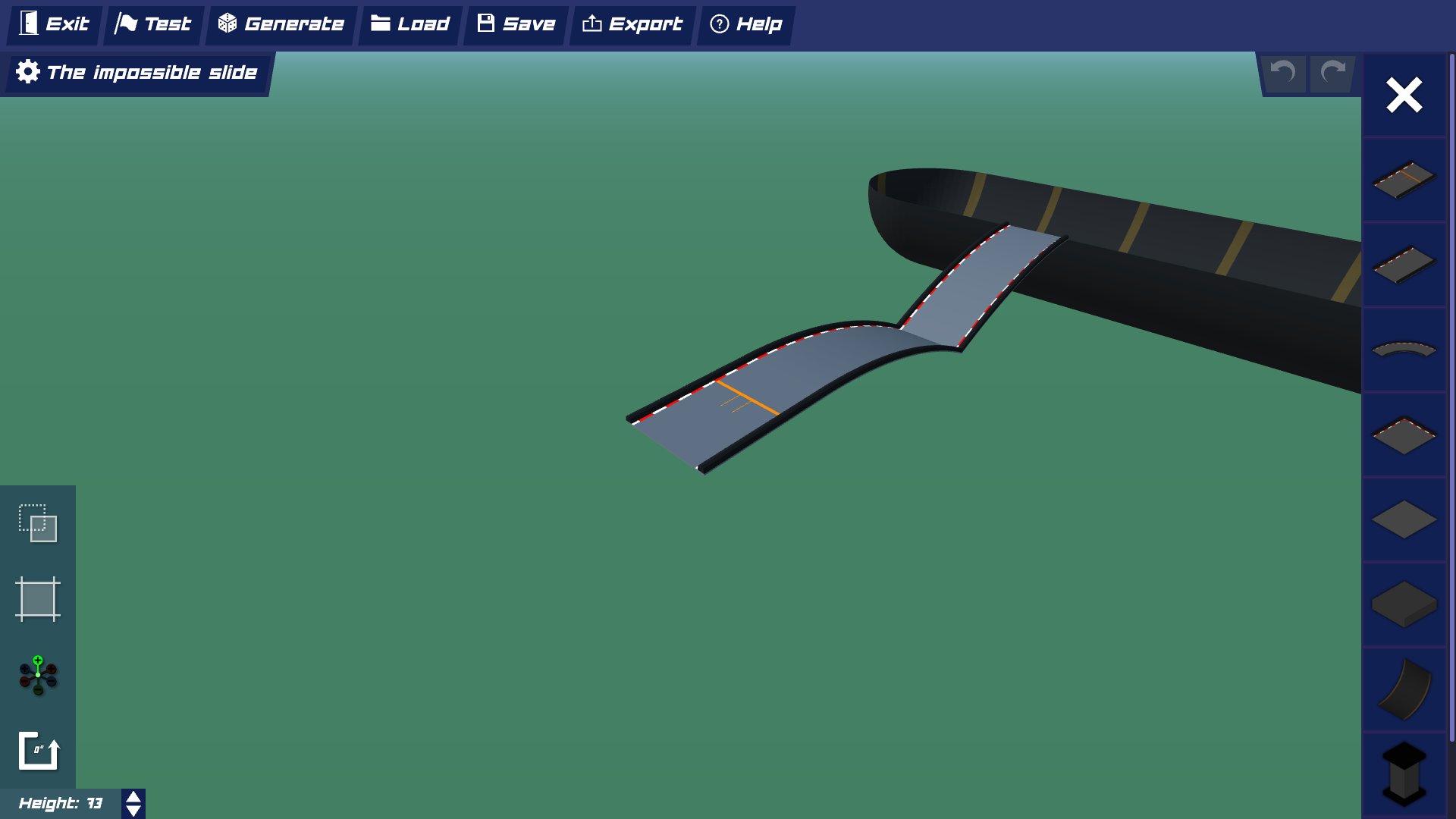
Community Track #23
Related Searches
Explore More Collections
Impossible PolyTrack Codes
These are the tracks that separate legends from casual players. Impossible difficulty, brutal challenges, and only the most skilled will succeed.
Best PolyTrack Drift Codes
Perfect your drifting technique with tracks designed specifically for sliding. These maps feature wide curves, drift zones, and flow-optimized layouts.
PolyTrack Kacky Codes
Kacky tracks are the ultimate test of precision and skill in PolyTrack. These ultra-challenging maps require pixel-perfect control and endless patience. Ready to face the impossible?
Easy PolyTrack Codes for Beginners
New to PolyTrack? Start here! These easy tracks help you learn the basics, master controls, and build confidence before tackling harder challenges.
About Technical Tracks
Technical tracks are where good players become great players. These 74+ courses strip away speed and spectacle, focusing purely on precision, timing, and execution. Tight turns, narrow platforms, frame-perfect jumps—every section requires thought and mastery. This is PolyTrack chess, not checkers. Success here demands surgical precision, split-second timing, and expert car control. Master these tracks and you'll have mastered PolyTrack itself.
Key Features
Precision Platforming on narrow paths
Frame-Perfect Timing windows measured in milliseconds
Complex Geometry requiring physics understanding
Risk-Reward Decisions at every turn
Execution Under Pressure when it counts most
Line Optimization for mathematical perfection
Pro Tips
Study world record replays frame-by-frame to see optimal lines
Practice one section until perfect, not just "good enough"
Record your runs to analyze mistakes objectively
Understand the physics—know WHY techniques work
Focus training sessions on your weakest skill area
Use checkpoint splits to identify problem sections
Compete in time trials for pressure practice
Build muscle memory through deliberate repetition