PolyTrack Desert 1 Speedrun Guide: Sand, Speed & Strategy
Summer teaches you to drive. Winter teaches you to slide. Desert teaches you to see.
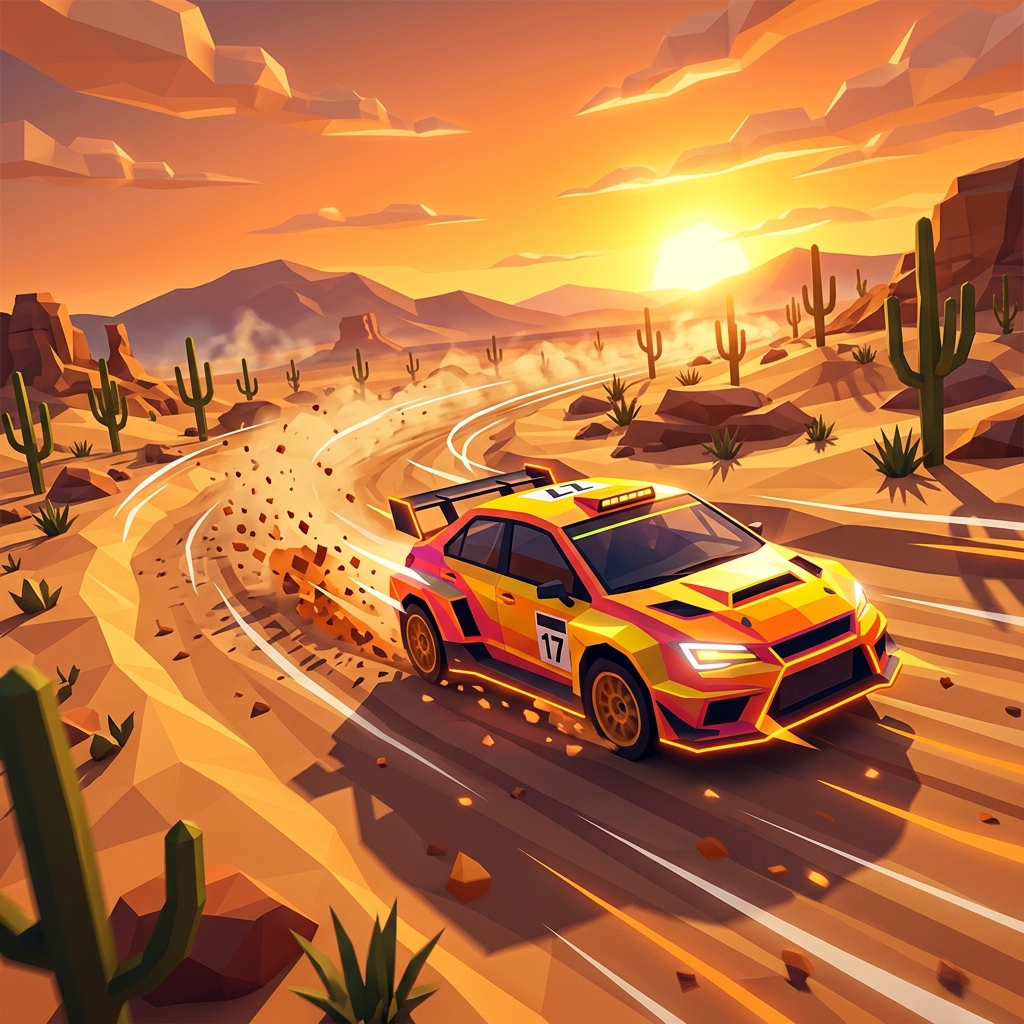
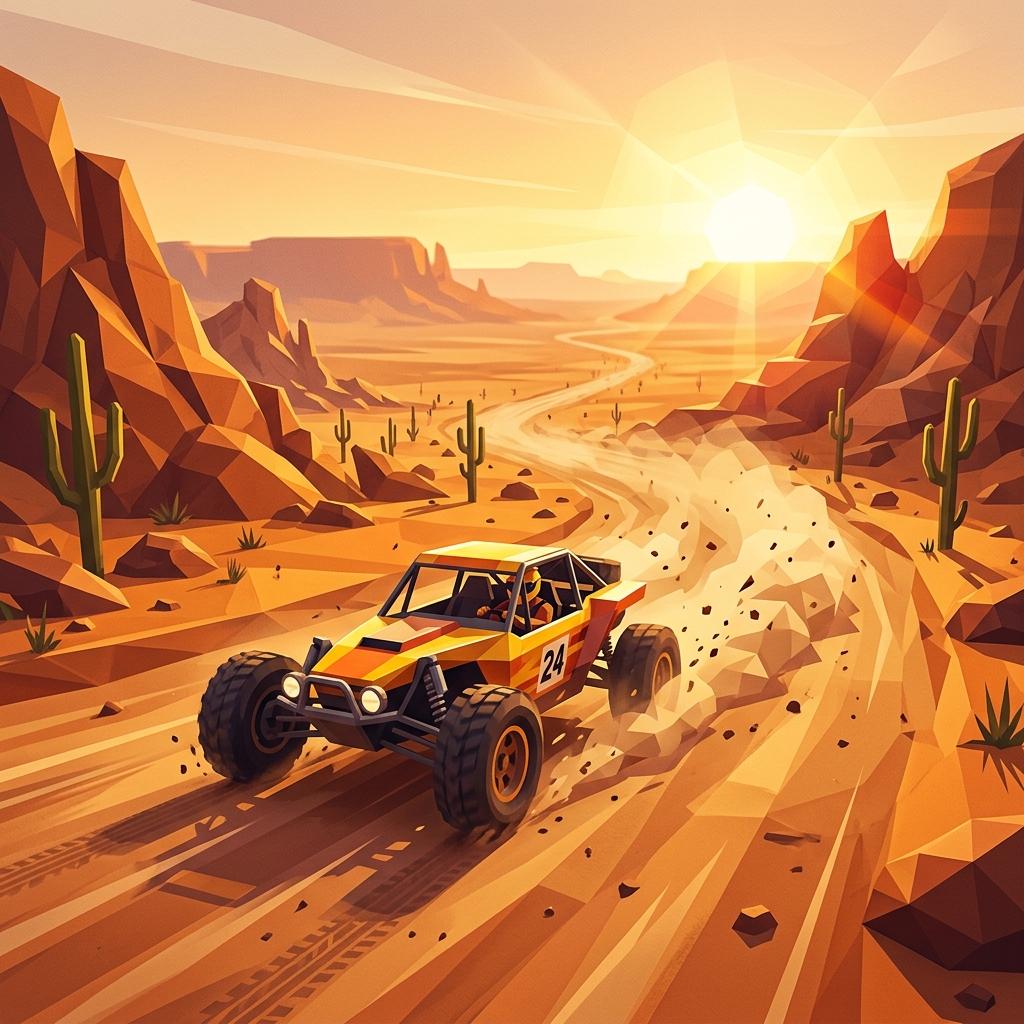
The Desert environment introduces a challenge that's less about physics and more about perception. The sandy color palette, heat haze effects, and subtler track boundary definitions create a world where reading the road ahead is genuinely harder. Desert 1 eases you into this visual challenge while introducing desert-specific surface characteristics that demand adapted technique.
Track Overview
| Property | Detail |
|---|---|
| Environment | Desert (sand, warm tones, heat haze) |
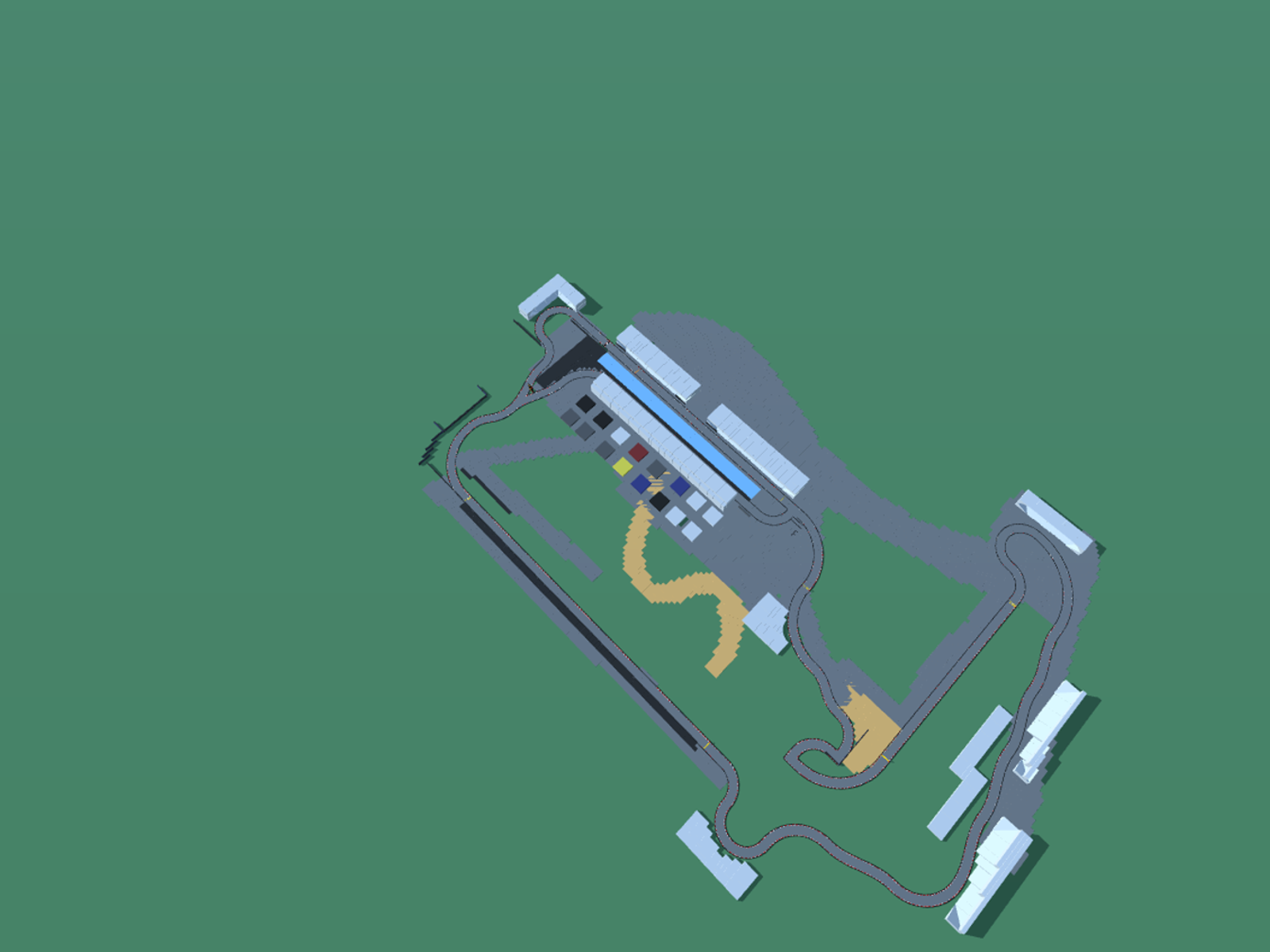
| Estimated Length | ~280 meters |
| Checkpoints | 3-4 |
| Key Features | Sandy surfaces, visual haze, wide open sections, moderate jump with desert-specific geometry |
| Difficulty | Medium |
| WR Reference | ~11-15 seconds |
Desert 1 is moderate in length and complexity—similar in scope to Winter 1 but with a completely different feel. Where Winter tracks are tight and cautious, Desert tracks are wide and fast, rewarding committed driving and visual awareness.
Understanding Desert Physics
Desert surfaces in PolyTrack sit between Summer tarmac and Winter ice in terms of grip:
| Property | Summer | Desert | Winter |
|---|---|---|---|
| Grip level | High | Medium-High | Low |
| Braking distance | Short | Moderate | Long |
| Drift tendency | Low | Moderate | High |
| Visual clarity | Clear | Reduced (haze) | Clear (snow contrast) |
The grip reduction is subtle compared to Winter's dramatic change. You won't slide off the road on every turn. But the difference is enough to make tight racing lines marginally harder to hold, and braking points need to be adjusted slightly earlier than Summer.
The bigger challenge is visual. Desert tracks use warm yellows, oranges, and browns that can blend together. Track boundaries are less obvious than the green-grey contrast of Summer or the white-black contrast of Winter. You need to actively read the road further ahead to compensate.
Sector-by-Sector Breakdown
Sector 1: The Wide Desert Opening
Desert 1 typically opens with a wide, sweeping section that emphasizes speed over technical precision. The road is broader than Summer tracks, giving a false sense of security.
The trap: Wide roads invite sloppy lines. Because there's room on both sides, beginners meander instead of committing to the optimal line. But at competitive speeds, even small deviations from the ideal path cost measurable time over the length of the track.
Optimal approach:
- Use the full width of the road for the racing line, even though you don't "need" to.
- The width is there to allow optimal Out-In-Out cornering at higher speeds.
- On the first curve, sweep from the outside edge to the inside apex. Use all the space the track gives you—that's what it's designed for.
Key insight: Desert tracks reward aggressive speed because the grip is sufficient for full-throttle cornering on most curves (unlike Winter). The fastest Desert times come from players who treat every section as a speed opportunity rather than a survival challenge.
Sector 2: The Technical Middle Section
After the wide opening, Desert 1 introduces tighter geometry—a series of corners that test your ability to maintain speed on medium-grip surfaces.
The nuance: Desert grip is high enough to corner without braking on most turns, but low enough that full-speed entry to tight corners causes understeer (the car pushes wide). Finding the threshold—maximum speed without losing the front end—is the core skill.
Technique:
- Start with full-throttle attempts. If the car pushes wide, note how far.
- Reduce entry speed by 5-10% (a brief throttle lift, not a brake application).
- If that holds the line, you've found the sweet spot for that corner.
Surface reading: Look for visual differences in the road texture. Some desert sections have packed sand (slightly more grip) versus loose sand edges (slightly less grip). Staying on the darkest, most-worn portion of the road usually provides the best traction.
Sector 3: The Desert Jump
Desert jumps have a distinct character. The landing zones are often flatter than Summer tracks but with sandy surfaces that absorb slightly more speed on impact.
Desert landing adjustment:
- Standard pitch matching applies—align your car's angle to the landing surface.
- Land slightly more nose-down than you would on Summer. The sandy surface absorbs vertical impact, and a slightly nose-down angle converts more energy forward.
- Post-landing, the car has good enough grip to steer immediately (unlike ice). Use this to correct your line for whatever follows the jump.
Visibility challenge: Heat haze can make the landing zone harder to read during the jump. On your first few runs, slow down and observe the landing geometry carefully. Once you know the angle, you can commit at full speed on subsequent runs.
Key Techniques for Desert Tracks
1. Aggressive Speed Commitment
Desert tracks reward the player who goes faster. Unlike Winter's cautious approach, Desert driving is about trusting the grip and maintaining speed through sections that look intimidating but are physically manageable.
The mental shift: After playing Winter tracks, many players are conditioned to be cautious. Desert requires you to un-learn that caution and re-embrace the aggressive throttle management of Summer—with a small additional margin for the reduced grip.
2. Visual Pre-Reading
Because the desert color palette reduces visibility, you need to scan further ahead than on other environments. Instead of looking at the road 2 car lengths ahead, look 4-5 car lengths ahead.
Why this works: Cornering setup starts earlier when you see turns coming sooner. Earlier setup means smoother inputs. Smoother inputs mean less speed loss. On desert tracks, visual pre-reading alone can improve times by 1-2 seconds.
3. Edge Avoidance
Desert track edges are visually ambiguous. Unlike Summer tracks with clear grass-tarmac boundaries, desert tracks blend into the surrounding sand. Driving too close to the edge risks accidentally leaving the road surface, which causes immediate speed loss or a crash.
Rule: On desert tracks, keep a wider safety margin from the edges than on Summer tracks. The racing line should be slightly tighter to center than on equivalent Summer geometry.
Common Mistakes & Fixes
| Mistake | Why It Happens | Fix |
|---|---|---|
| Sloppy lines on wide sections | Wide road creates false sense that precision doesn't matter | Commit to the optimal line as if the road were narrow |
| Over-cautiousness from Winter | Reduced grip triggers Winter-era caution | Desert grip is only slightly reduced; drive aggressively |
| Late corner recognition | Heat haze and color blending | Pre-read 4-5 car lengths ahead; memorize the layout |
| Edge departure | Track boundaries blend into desert sand | Maintain wider margin from edges than on Summer |
Speed Progression Milestones
| Level | Target Time | What It Means |
|---|---|---|
| 🟢 First Completion | 30-40 seconds | You can navigate desert geometry and surfaces |
| 🟡 Beginner | 22-30 seconds | Speed commitment is developing; lines are improving |
| 🟠 Intermediate | 16-22 seconds | Full-throttle through most corners; clean jumps |
| 🔴 Advanced | 12-16 seconds | Maximum speed on every surface; visual pre-reading automatic |
| 🏆 World Record Tier | <12 seconds | Every meter optimized; zero wasted momentum |
Practice Drills
Drill 1: Full-Throttle Exploration Do a complete lap without pressing S (brake) at any point. You'll crash at the tighter corners—but you'll discover exactly which sections genuinely require speed reduction and which ones you've been slowing for unnecessarily.
Drill 2: Edge Awareness Drive one complete lap as close to the track edge as possible without leaving the road. This builds spatial awareness for desert track boundaries, which will help you stay centered during competitive runs.
Drill 3: Pre-Reading Practice Drive at half speed while looking as far ahead as possible. Call out turns before you reach them: "Left turn approaching... right curve in 3 seconds..." This trains your eyes to scan further ahead, which becomes automatic at full speed.
Frequently Asked Questions
What actually makes Desert harder than Summer or Winter? It's not the grip — it's the visibility. The sandy palette, heat haze, and track edges that blend into the surrounding sand make reading the road ahead genuinely harder. Desert is a perception challenge first and a driving challenge second.
I'm driving Desert 1 way too cautiously. Why? Winter habits carrying over. Desert grip is only slightly reduced compared to Summer, so the timid, brake-early approach that kept you alive on ice just costs you time here. Commit to your lines and drive aggressively.
I keep drifting off the edge into the sand — how do I fix it? Because the boundaries blend into the desert, you'll misjudge the edge if you drive as tight as you would on Summer. Keep a slightly wider margin from the edges and pre-read 4–5 car lengths ahead so corners never surprise you.
The wide-open sections feel like I can be sloppy — can I? No. Wide road tempts lazy lines, but the optimal line still wins. Drive the wide sections as if the road were narrow; the time you "save" by relaxing there is exactly the time the leaderboard is built on.
How do I read the track faster? Run the pre-reading drill above: at half speed, call out each turn before you reach it. Training your eyes to scan further ahead is the single biggest Desert-specific skill, and it becomes automatic at full speed.
What's Next
- Desert 2 Speedrun Guide — The heat intensifies
- Winter 1 Speedrun Guide — Contrast your technique with ice
- Summer 3 Speedrun Guide — Return to full-grip precision
- Browse Desert Community Tracks — Challenge yourself on player-created desert courses